From Pantry Staple to Culinary Canvas: Why Explore Cornmeal Substitutes?
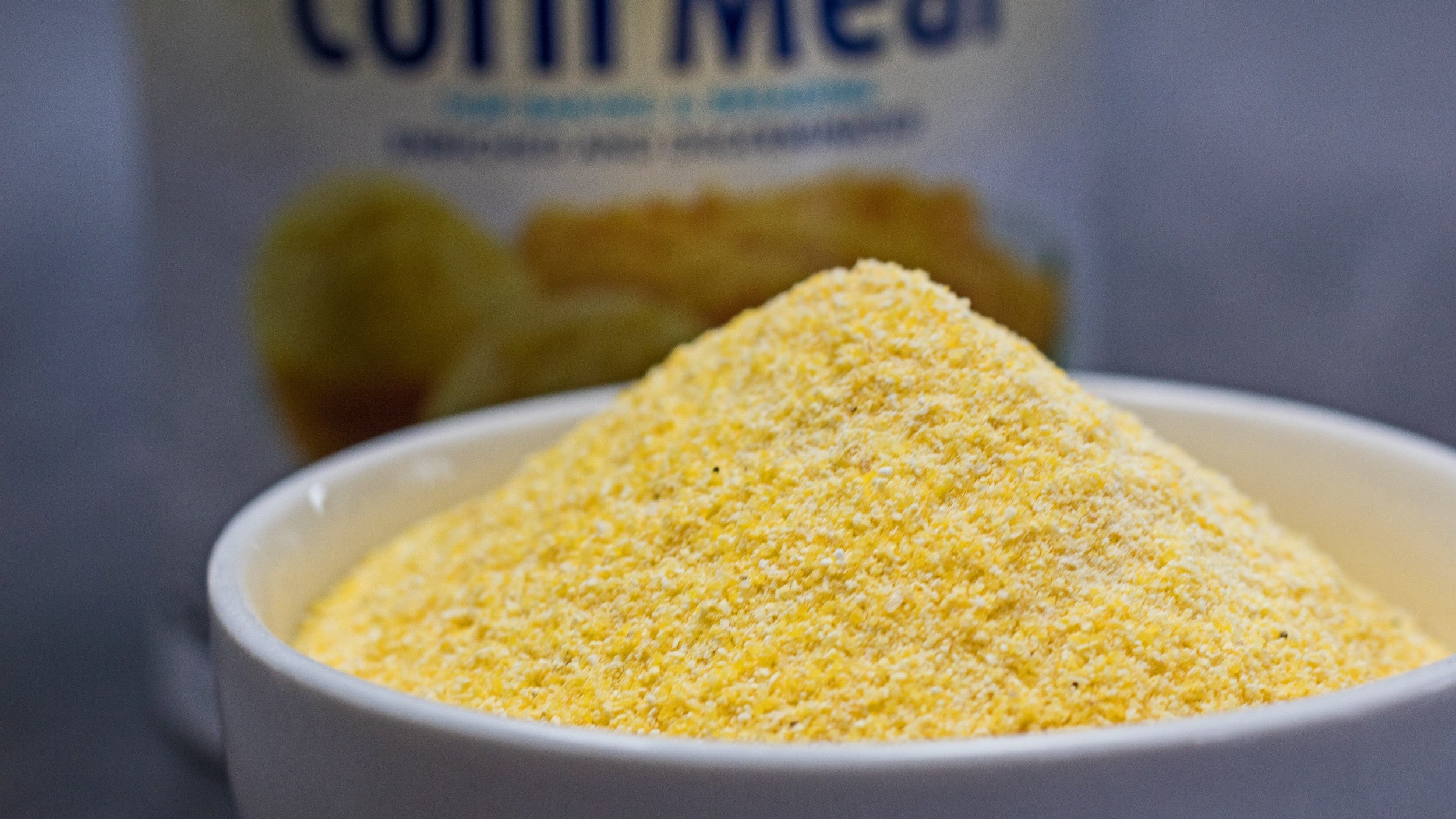
Cornmeal, with its distinctive gritty texture and subtle sweetness, holds a cherished place in kitchens worldwide, especially renowned for creating that quintessential comfort food: cornbread. From the historic hearths of the Deep South, where it's been a staple for centuries in various forms like hushpuppies and Johnnycakes, to its role in modern baking, cornmeal brings a unique character to countless dishes.
However, whether you've run out of cornmeal, are exploring dietary alternatives, or simply seeking to alter the texture and flavor profile of a beloved recipe, knowing your
cornmeal substitutes is an invaluable culinary skill. The good news is, your pantry likely holds several viable alternatives, each offering a distinct advantage. The key to successful substitution lies in understanding how each alternative impacts the final product – specifically its density, texture, and flavor.
Mastering Your Bake: Key Considerations for Cornmeal Substitutes
When swapping out cornmeal, it's not just a matter of "what can I use instead?" but "what effect do I want?" Cornmeal contributes both structure and a characteristic coarse texture to dishes. Substituting it effectively means considering:
*
Texture: Do you want a finer, softer crumb, or something equally rustic and hearty? Some substitutes will smooth things out, while others mimic or even enhance cornmeal's grit.
*
Density: Cornmeal adds body and weight. Lighter substitutes can result in a more delicate product, while coarser grains can maintain that robust feel.
*
Moisture Absorption: Different flours and grains absorb liquids at varying rates. A direct 1:1 swap might require slight adjustments to the liquid content in your recipe to prevent a dry or overly wet outcome. Always keep an eye on your batter or dough and adjust as needed.
*
Flavor Profile: While cornmeal has a mild, earthy sweetness, some substitutes might introduce their own subtle flavors, from the nuttiness of oats to the neutrality of all-purpose flour.
Understanding these factors empowers you to choose the best replacement for your specific dish, transforming a potential culinary hiccup into an opportunity for creativity.
Top 7 Cornmeal Substitutes for Every Recipe
Let's dive into the most effective and accessible
cornmeal substitutes that can save your recipe and even elevate it.
1. Corn Grits: The Rustic Rescuer
If you're looking for a substitute that stays true to cornmeal's roots, corn grits are an excellent choice. Made from dried corn, just like cornmeal, grits are typically coarser ground, offering a more pronounced, rustic texture. When a recipe calls for cornmeal and you only have grits, don't hesitate. They seamlessly fill the void, often lending a more satisfying "chew" to baked goods. We've found them to be a bold yet brilliant move in cornbread, creating a delightfully hearty and less uniform crumb that regular fine cornmeal can't quite achieve.
While grits can be used in a 1:1 ratio, their coarser nature means they tend to absorb a bit more liquid. It's wise to add a splash more milk or water than the recipe specifies and monitor the consistency as you mix. Our own pancake experiments with grits yielded an epic crunch, perfectly balancing tenderness with a pleasing bite. As a common pantry staple, grits are also a convenient, no-extra-shopping-trip solution.
2. Polenta: The Versatile Coarse Grain
Polenta, another product of ground corn, often comes in a coarser grind than most standard cornmeals, making it a fantastic alternative, particularly if you appreciate a robust texture. Its texture can vary from fine to medium or coarse, with the coarser varieties being excellent for emulating cornmeal's characteristic grit. Despite its coarser nature, polenta blends remarkably well into batters, contributing to a wonderfully moist and tender final product when liquid ratios are managed correctly.
We typically use a 1:1 ratio when substituting polenta for cornmeal but recommend adding a little extra liquid to compensate for its absorption, ensuring your dish remains moist and delicious. In our culinary explorations, polenta transformed everyday cornbread into something truly special, elevating its texture and making each bite more memorable. Beyond cornbread, polenta's versatility is impressive; it can adapt to both savory and sweet applications with remarkable ease, offering a slightly nuttier flavor profile than standard cornmeal.
3. All-Purpose Flour: The Everyday Saver
When you need a quick fix and textural differences aren't a deal-breaker, all-purpose flour is your go-to. This common pantry staple steps in beautifully for cornmeal, especially when you desire a softer, less gritty outcome. While it won't replicate cornmeal's unique texture or flavor, it acts as a reliable binder and structure provider. We've used it as a straight 1:1 swap in numerous recipes, finding it particularly useful for baking smoother cornbread loaves that appeal to those who prefer a lighter, less hearty texture.
The key benefit here is convenience and accessibility. It's a lifesaver in a pinch, ensuring your recipe doesn't go to waste. However, be prepared for a departure from the traditional dense, crumbly texture of cornmeal-based dishes. For recipes where the "corn" aspect isn't paramount, but the structure is, all-purpose flour is an indispensable and forgiving substitute.
4. Corn Flour: For a Silky Smooth Finish
Not to be confused with cornmeal, corn flour is an incredibly finely ground product of dried corn. Its texture is more akin to all-purpose flour or even starch, making it an excellent choice when you desire a remarkably smooth and delicate finish. When swapped for cornmeal, corn flour creates a silky texture, blending seamlessly into batters and giving baked goods a distinctly lighter body and a delicate, almost airy crumb.
While we typically recommend a 1:1 substitution ratio for corn flour, it's worth noting that its finer particles absorb moisture differently than coarser cornmeal. You might find your batter requires slightly less liquid, or absorbs it more readily, so always observe and adjust. In our experiments, corn flour lent an airier quality to cornbread, providing a delightful contrast to the traditional hearty texture. It's also an excellent choice for thickening sauces or creating ultra-fine coatings.
5. Ground Oats: The Tender, Wholesome Choice
For a truly unique and wholesome alternative, ground oats bring a distinctive flair to recipes that originally call for cornmeal. When finely ground (either store-bought oat flour or rolled oats pulsed in a food processor), they offer a delicate texture and a subtly sweet, earthy flavor that sets them apart. Compared to the robustness of cornmeal, oats are gentler, contributing a tender crumb to baked goods.
We've successfully substituted ground oats for cornmeal on a 1:1 basis. In one memorable cornbread experiment, the result was a softer, slightly sweeter loaf that was universally adored. Be aware that ground oats tend to absorb more liquid than cornmeal, so we consistently found ourselves adding a bit extra moisture to the batter to achieve the right consistency. This substitute shines brightest in baking applications where a tender crumb and a mild, wholesome flavor are desired, making it a fantastic option for muffins, quick breads, or even pancakes.
6. Crushed Tortilla Chips: The Unexpected Crunch Hero
Now for something truly unexpected and wonderfully resourceful! Crushed tortilla chips make a surprisingly good and incredibly creative substitute for cornmeal, particularly in savory applications or when you're looking to add an intriguing texture. They provide a satisfying crunch and often a pleasant salty kick that can elevate your dish in an unexpected way.
The beauty of this substitute is its sheer simplicity: just crush them straight from the bag, no extra steps required. A simple 1:1 ratio works perfectly. In a pinch, they've saved our cornbread, imparting an "unreal" texture that was both crispy and flavorful. Our taste tests confirmed their success, proving that everyday snacks can indeed double as baking ingredients. This provides a delightful twist without overpowering the main flavors of your dish, making it perfect for a quick fix or when you want to jazz up a recipe with an element of surprise. For more out-of-the-box ideas like this, check out
Beyond Cornmeal: Creative & Quick Baking Substitutes.
7. Cream of Wheat: The Smoothest Operator
Cream of Wheat, a popular breakfast cereal made from finely ground wheat farina, offers another excellent cornmeal substitute, particularly when a smoother, lighter texture is desired. Its fine grind results in a more uniform consistency in batters, blending seamlessly into recipes where cornmeal's characteristic grit might be too pronounced for your liking.
When used as a 1:1 swap, Cream of Wheat creates dishes that are not as dense as those made with cornmeal, giving your baked goods a different, lighter feel. We've seen it perform admirably in various applications, including pancakes, where the result was surprisingly good – a consistently soft and fluffy texture without any grittiness. It’s also often fortified with vitamins and minerals, adding a nutritional boost to your dish.
Making the Right Choice: Beyond the Swap Ratio
Ultimately, the "best" cornmeal substitute isn't a one-size-fits-all answer. It's about aligning your chosen alternative with the intended outcome of your recipe and your personal preferences. Whether you're aiming for a rustic texture similar to cornmeal, a softer crumb, or a unique flavor addition, there's an option for you. Always remember to consider the primary function of cornmeal in your specific dish – is it for structure, texture, flavor, or all three? This will guide your choice towards the most effective swap. Don't be afraid to experiment; sometimes the most unexpected substitutions lead to the most delightful culinary discoveries.
Conclusion
From the robust character of corn grits and polenta to the tender sweetness of ground oats, and even the surprising crunch of crushed tortilla chips, the world of cornmeal substitutes is rich and varied. Each alternative brings its own unique qualities to the table, allowing you to adapt, innovate, and salvage recipes with confidence. By understanding the nuances of texture, density, and liquid absorption, you can confidently navigate your kitchen, transforming a momentary ingredient shortage into an exciting opportunity to explore new flavors and textures. So go ahead, open your pantry, and embark on your next baking adventure – your perfect cornmeal substitute is waiting!