Understanding Cornmeal: A Culinary Staple and Its Textural Nuances
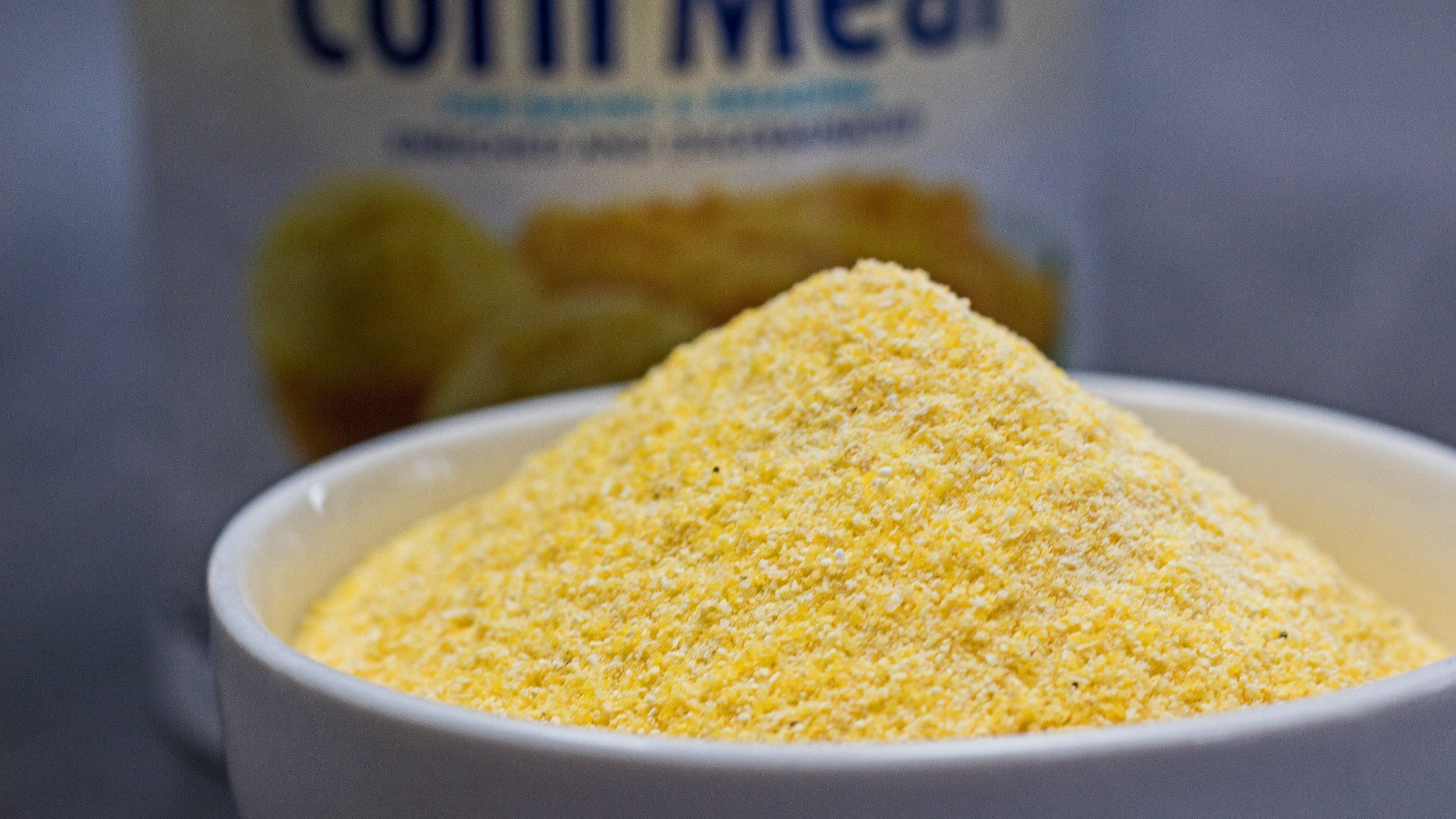
Cornmeal, a cornerstone of countless culinary traditions, especially in American Southern cuisine, holds a revered spot in pantries worldwide. From the hearty, rustic charm of cornbread and hushpuppies to the crispy coating on fried fish, its unique texture and subtly sweet, earthy flavor are often irreplaceable. Historically, cornmeal became a staple out of necessity and ingenuity, particularly in the Deep South where it was transformed into a myriad of dishes like Johnnycakes and various cornbread styles, cementing its place in American culinary heritage.
But what exactly gives cornmeal its distinctive character? It's primarily its grind. Cornmeal comes in various grinds—fine, medium, and coarse—each contributing a different textural experience to the final dish. Fine cornmeal creates a delicate, almost cake-like crumb; medium provides a balanced texture with a noticeable but not overwhelming bite; and coarse cornmeal delivers a rustic, robust texture, often lending a satisfying crunch.
However, despite its versatility, there are times when cornmeal simply isn't an option. Perhaps you've run out, are catering to a specific dietary need, or simply wish to experiment with different textures and flavors. This is where understanding effective
cornmeal substitutes becomes invaluable. The key to choosing the right alternative isn't just about finding another flour, but about discerning how that substitute will impact the *density* and *texture* of your dish, ensuring your culinary creation still hits the mark.
The Density & Texture Conundrum: Choosing Your Ideal Cornmeal Substitute
When faced with the need for a cornmeal substitute, the first question to ask yourself is: "What role does the cornmeal play in this recipe?" Is it for structure, crispness, binding, or a specific mouthfeel? Each alternative offers a unique profile, making careful selection crucial for culinary success.
Coarse & Rustic Alternatives: Corn Grits & Polenta
If you're aiming for that quintessential rustic, toothsome texture that coarse cornmeal provides, your best bet lies with corn grits or polenta. Both are made from dried corn, but typically feature a coarser grind than most standard cornmeal.
*
Corn Grits: Often a Southern breakfast staple, corn grits are essentially a coarser, less refined version of cornmeal. When used as a
cornmeal substitute, they excel at replicating that satisfying chew and rustic feel, especially in baked goods like cornbread. We've found that using grits imparts a delightful crunch to recipes like pancakes, elevating them from ordinary to epic.
*
Texture Profile: Coarser and more distinct than typical cornmeal, providing a "nubbly" texture.
*
Swap Ratio: Generally, a 1:1 ratio works well.
*
Liquid Adjustment: Grits tend to absorb more liquid than finer cornmeal. Always keep an eye on your batter and be prepared to add a splash more liquid (milk or water) until the desired consistency is achieved. Start with a 1:1 liquid increase if your original recipe has a lot of liquid.
*
Best For: Hearty cornbread, crispy pancake batter, coating for fried foods (for extra crunch).
*
Pro Tip: For a smoother batter with grits, consider letting them soak in the recipe's liquid for 10-15 minutes before mixing with other dry ingredients.
*
Polenta: Hailing from Italian cuisine, polenta is another fantastic coarse-ground corn product. It closely mimics the texture of coarse cornmeal and brings a similar, slightly more pronounced corn flavor. Its versatility is remarkable, performing admirably in both savory and sweet applications.
*
Texture Profile: Coarse and robust, contributing a distinct chewiness and body.
*
Swap Ratio: A straightforward 1:1 swap is usually effective.
*
Liquid Adjustment: Like grits, polenta has a high absorption rate. Incorporating a bit more liquid (around 1:1 with the polenta swap) helps maintain moisture and prevents dryness, creating incredibly moist and memorable results, especially in cornbread.
*
Best For: Rustic cornbread, crispy crusts, savory bakes, and even thick pancake batters where you want texture.
Finer & Softer Alternatives: All-Purpose Flour & Corn Flour
If your recipe calls for cornmeal's binding properties but you desire a less gritty, softer outcome, or a more delicate crumb, these finer flours are excellent choices.
*
All-Purpose Flour: The ultimate pantry hero, all-purpose flour is a reliable
cornmeal substitute when you need to maintain structure without the characteristic cornmeal texture. It delivers a much smoother, softer crumb. While it won't give you the same hearty chew, it’s a brilliant stand-in when you're in a pinch.
*
Texture Profile: Smooth, soft, and less gritty, resulting in a lighter and fluffier end product.
*
Swap Ratio: A direct 1:1 swap.
*
Liquid Adjustment: Generally, no significant liquid adjustment is needed for a straight swap, but always monitor your batter's consistency.
*
Best For: Smoother cornbread, muffins, pancakes where a softer texture is preferred, or as a coating where crispness isn't the primary goal.
*
Consideration: All-purpose flour contains gluten, which will affect the structure and elasticity of your baked goods differently than naturally gluten-free cornmeal.
*
Corn Flour: Often confused with cornmeal, corn flour is a very fine powder made from whole corn kernels, similar in texture to wheat flour. It's much finer than even fine cornmeal, leading to a silky-smooth texture and a lighter body in baked goods.
*
Texture Profile: Incredibly fine and silky, creating a delicate, airy crumb.
*
Swap Ratio: A 1:1 substitution is the standard.
*
Liquid Adjustment: While a 1:1 ratio works, corn flour absorbs moisture differently than cornmeal, potentially making dishes airier. You might need to slightly adjust other liquid components to achieve your desired consistency and moisture level.
*
Best For: Delicate baked goods, light cornbread variations, as a thickener, or in recipes where a very tender, airy crumb is desired.
*
Note: Corn flour retains the subtle corn flavor, making it a good choice for maintaining that essence without the grit.
Unique Texture & Flavor Profiles: Ground Oats, Crushed Tortilla Chips & Cream of Wheat
For those who enjoy culinary experimentation or have specific textural desires, these alternatives offer exciting new dimensions.
*
Ground Oats: Simply blend rolled oats into a coarse flour-like consistency to create this versatile
cornmeal substitute. Ground oats impart a delicate texture and a subtly sweet, wholesome flavor that contrasts with cornmeal's robustness. They are perfect for achieving a tender crumb and a more nuanced taste.
*
Texture Profile: Delicate and tender, offering a softer mouthfeel than cornmeal.
*
Swap Ratio: Use a 1:1 ratio.
*
Liquid Adjustment: Oats are quite absorbent, so be prepared to add a bit more liquid to your recipe to prevent dryness. Adding an extra tablespoon or two of milk per cup of ground oats is a good starting point.
*
Best For: Soft, slightly sweet loaves, muffins, pancakes, or any baking where a tender crumb and mild flavor are desired.
*
Tip: Ensure your oats are certified gluten-free if catering to gluten sensitivities, as some oats are processed in facilities with wheat.
*
Crushed Tortilla Chips: This might sound unconventional, but hear us out! Crushed tortilla chips make a surprisingly effective and fun
cornmeal substitute, especially for adding an unexpected crunch and a savory, salty kick. They are a fantastic quick fix and can jazz up a familiar recipe with minimal effort.
*
Texture Profile: Noticeably crunchy with a delightful crispness.
*
Swap Ratio: A simple 1:1 swap, used directly from the bag (crushed).
*
Liquid Adjustment: Minimal adjustment usually needed, as they don't absorb as much liquid as flours or oats.
*
Best For: Unique cornbread variations, savory coatings for chicken or fish, or as a topping for casseroles where you want a salty crunch.
*
Flavor Impact: Expect a definite salty, savory influence from the chips, which can be a delicious twist but might not suit all sweet applications.
*
Cream of Wheat: A hot breakfast cereal made from farina, cream of wheat offers a finer grind than cornmeal, resulting in a noticeably smoother texture in your final dish. It delivers a lighter feel compared to cornmeal's density.
*
Texture Profile: Fine and smooth, creating a delicate and lighter texture.
*
Swap Ratio: A direct 1:1 substitution.
*
Liquid Adjustment: Cream of Wheat has a moderate absorbency, similar to all-purpose flour. Monitor your batter and make minor liquid adjustments if needed, though often none are required for a 1:1 swap.
*
Best For: Smooth pancakes, muffins, or in recipes where you desire a uniform, non-gritty texture and a lighter body.
Beyond the Basics: Expert Tips for Successful Cornmeal Swaps
Embracing
cornmeal substitutes opens up a world of culinary possibilities, but success lies in a few expert considerations:
*
Mind the Moisture: The most crucial aspect of any flour substitute is its liquid absorption rate. Always start with the recommended 1:1 ratio, but be prepared to add a tablespoon or two more liquid (or less, in some cases) to achieve the desired batter consistency. A good rule of thumb is to let the batter rest for a few minutes before checking its thickness.
*
Embrace the New Texture: Remember that a substitute, by definition, isn't identical. While these alternatives aim to replicate cornmeal's role, they will inevitably introduce a slightly different texture and mouthfeel. Be open to these delightful variations.
*
Flavor Forward: Some substitutes, like ground oats or crushed tortilla chips, bring their own distinct flavor profiles. Consider whether these will complement or overpower your dish. For instance, the nuttiness of oats can be a wonderful addition to a slightly sweet cornbread.
*
Start Small: If you're experimenting with a new substitute for the first time, consider halving your recipe or making a small test batch to gauge the results before committing to a full recipe.
*
Dietary Needs: If you're substituting due to dietary restrictions (e.g., gluten intolerance), ensure your chosen alternative meets those requirements. Cornmeal is naturally gluten-free, but alternatives like all-purpose flour are not.
Exploring different
cornmeal substitutes can truly elevate your baking and cooking. Whether you're aiming for a rustic crunch or a delicate crumb, understanding the interplay of density and texture will guide you to the perfect choice. For more detailed insights into specific replacements, you might find valuable information in
From Flour to Oats: Your Guide to 7 Cornmeal Substitutes. And if you're looking for even more innovative solutions, explore
Beyond Cornmeal: Creative & Quick Baking Substitutes for inspiration.
Conclusion
Choosing the right
cornmeal substitute is less about a simple swap and more about understanding the desired outcome for your dish. By focusing on the interplay of density and texture, you can confidently navigate the array of alternatives, from the hearty chew of polenta to the delicate crumb of corn flour. Each substitute offers a unique pathway to culinary success, allowing you to maintain the essence of your recipe while adapting to availability, preference, or dietary needs. So, next time you're out of cornmeal, don't despair – arm yourself with this knowledge and bake with confidence, knowing that a delicious and texturally satisfying result is well within reach.