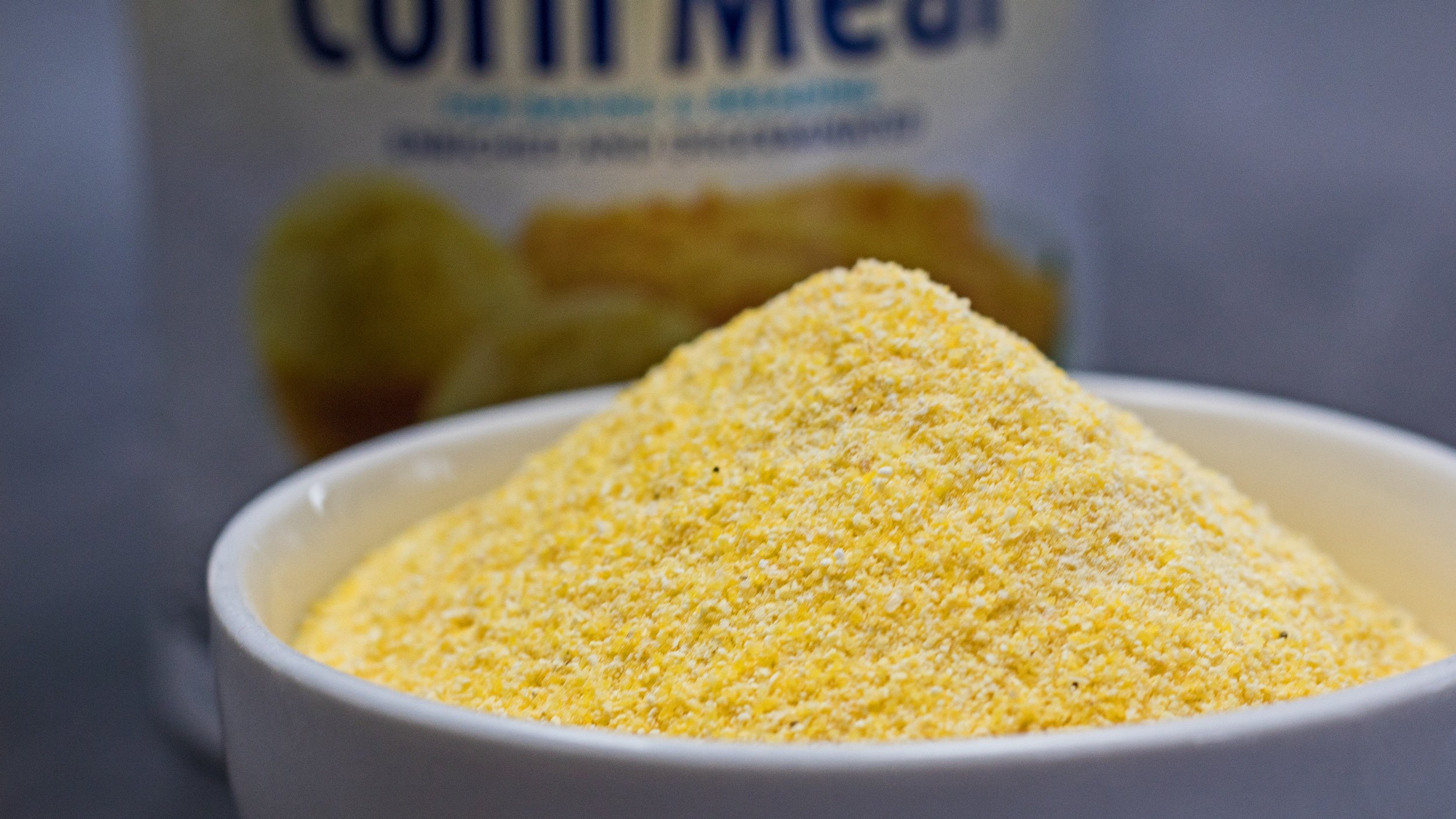
Unlocking Your Pantry: Creative & Quick Baking Substitutes for Cornmeal
Cornmeal, with its distinct texture and subtle sweetness, has long been a foundational ingredient in kitchens worldwide, especially renowned for its starring role in comforting cornbread, crispy hushpuppies, and delicate Johnnycakes. Yet, whether you've run out, are seeking a different texture, or catering to specific dietary needs, finding the right alternative can transform a potential baking dilemma into an exciting culinary adventure. The secret lies not just in finding a swap, but in understanding how each substitute impacts the final dish's density and texture.
Embark on a journey beyond the traditional, discovering how common pantry staples can step in to save your recipes and even elevate them to new, unexpected heights. This guide offers insights into a variety of cornmeal substitutes, helping you make informed choices based on the desired outcome of your baking endeavors.
Choosing Your Cornmeal Alternative: Texture, Taste, and Purpose
When selecting a cornmeal substitute, it's crucial to consider the role cornmeal plays in your original recipe. Is it for structure, texture, flavor, or a combination? Fine cornmeal provides a delicate crumb, while coarser grinds deliver a hearty, rustic feel. Your substitute should ideally align with this primary function. Remember, while a 1:1 ratio is often a good starting point, minor adjustments to liquid content or other dry ingredients might be necessary to achieve perfection. Think about the desired mouthfeel and flavor profile: do you want something softer, crunchier, sweeter, or more neutral?
Creative & Quick Cornmeal Substitutes from Your Pantry
From fine flours to hearty grains and even savory snacks, your kitchen likely holds a treasure trove of suitable cornmeal substitutes. Let's explore some of the most effective options, detailing their unique characteristics and best uses.
Corn Grits: The Rustic Charm
A true Southern staple in their own right, corn grits make an excellent substitute for cornmeal, especially when you're aiming for a more rustic and pronounced texture. While generally coarser than most cornmeal, grits integrate beautifully into recipes, imparting a satisfying bite that fine cornmeal simply can't replicate. Imagine cornbread with an invigorating crunch or pancakes boasting an unexpectedly delightful texture—grits deliver exactly that.
- Texture & Feel: Coarser and more distinct, offering a delightfully rustic and somewhat chewy texture.
- Ratio & Adjustment: Typically a 1:1 swap. However, grits tend to absorb more liquid due to their larger particle size, so be prepared to add a splash more milk or water, monitoring the consistency of your batter carefully.
- Best For: Hearty cornbread, crispy crusts on baked goods, or adding textural interest to muffins and quick breads. They're a fantastic choice for when you want to avoid a uniform, soft crumb.
Polenta: The Italian Cousin
Often considered a sophisticated cousin to cornmeal, polenta is essentially coarsely ground corn. Its texture is generally similar to medium-grind cornmeal but can sometimes lean coarser, making it another fantastic option for introducing a delightful chew and structural integrity to your bakes. Polenta's versatility extends far beyond its traditional role as a creamy side dish; it seamlessly adapts to both sweet and savory baking applications.
- Texture & Feel: Coarser than fine cornmeal, contributing a satisfyingly toothsome texture that can elevate the ordinary.
- Ratio & Adjustment: A straightforward 1:1 replacement. Like grits, polenta might demand a slight increase in liquid to maintain desired moisture, so keep an eye on your batter.
- Best For: Transforming cornbread into a more "gourmet" experience, adding body to rustic cakes, or providing an interesting base for savory bakes. Its texture creates a more memorable mouthfeel.
All-Purpose Flour: The Neutral Workhorse
When the distinct corn flavor and gritty texture aren't paramount, all-purpose flour steps in as a reliable, widely available alternative. It won't replicate the unique characteristics of cornmeal, but it will provide structure and absorb moisture, ensuring your baked goods still come together beautifully. This substitute is your go-to when you need to prevent a recipe from falling apart in a pinch.
- Texture & Feel: Produces a softer, smoother, and less gritty texture. Your cornbread, for instance, will be lighter and more cake-like.
- Ratio & Adjustment: A direct 1:1 substitution. No special liquid adjustments are typically needed, making it one of the easiest swaps.
- Best For: Recipes where cornmeal primarily acts as a binder or dry ingredient to provide bulk, and a light, tender crumb is desired. Excellent for lighter cornbread variations, muffins, or pancakes where a neutral flavor is preferred.
Corn Flour: The Silken Touch
Often confused with cornstarch (which is a pure starch extract), corn flour is finely milled whole corn, resulting in a powder much finer than cornmeal. This gives it a unique advantage when a delicate, silky texture is desired. It's an excellent choice for gluten-free baking and for achieving a lighter, airier crumb that contrasts sharply with cornmeal's robustness.
- Texture & Feel: Exceptionally fine and silky, creating a delicate, almost airy crumb in baked goods.
- Ratio & Adjustment: Use a 1:1 ratio. Be mindful that its fine nature can affect moisture absorption differently than coarser grains, potentially requiring minor liquid tweaks to achieve the perfect consistency.
- Best For: Light and airy cornbread, delicate coatings for fried foods, or enhancing the tenderness of cakes and quick breads. It's also fantastic in gluten-free recipes where a smooth texture is desired.
Ground Oats: The Wholesome & Tender Option
For a unique twist that brings wholesome goodness and a slightly sweet undertone, ground oats (rolled oats processed into a flour-like consistency) are a superb choice. They impart a delicate texture and a gentle flavor that can surprise and delight. This alternative is particularly appealing for those seeking to add fiber and a nuanced taste to their baking.
- Texture & Feel: Creates a softer, more tender crumb with a subtle chew and a wholesome feel.
- Ratio & Adjustment: A 1:1 swap, but oats absorb significantly more liquid than cornmeal. You will almost certainly need to add extra liquid to your recipe to prevent dryness and achieve the correct batter consistency.
- Best For: Sweet baking applications like muffins, quick breads, cookies, or even a healthier, softer cornbread. They lend themselves well to breakfast-themed bakes, as detailed in From Flour to Oats: Your Guide to 7 Cornmeal Substitutes.
Crushed Tortilla Chips: The Unexpected Savory Star
For a genuinely creative and quick fix, especially in savory dishes, crushed tortilla chips are a revelation. This unconventional substitute not only provides a fantastic crunch but also introduces a salty, umami kick that can truly jazz up a recipe. It's a testament to thinking outside the box when baking.
- Texture & Feel: Delivers an unparalleled crunch and a savory depth, perfect for adding an exciting textural contrast.
- Ratio & Adjustment: A straightforward 1:1 exchange. No liquid adjustments are usually needed, as they bring their own unique dryness and crispness.
- Best For: Savory cornbread variations, crunchy breading for fried items, or as a creative topping for casseroles. This is ideal for adding a bold flavor and texture twist without overpowering the dish.
Cream of Wheat: The Smooth & Mellow Stand-In
Cream of Wheat, a finely milled farina made from wheat, offers a smooth and mild alternative to cornmeal. Its fine grind and neutral flavor make it an excellent choice when you want to avoid the characteristic grit of cornmeal and achieve a lighter, more uniform texture in your baked goods. It’s perfect for those who prefer a less rustic feel.
- Texture & Feel: Produces a remarkably smooth and tender crumb, contributing a light and delicate feel that blends seamlessly into batters.
- Ratio & Adjustment: A simple 1:1 substitution is generally effective. Its absorption properties are quite similar to flour, minimizing the need for significant liquid adjustments.
- Best For: Light pancakes, tender muffins, or any recipe where cornmeal's rough texture is unwanted, and a delicate, almost cake-like consistency is preferred.
Embracing the Unexpected: Practical Tips for Cornmeal Substitution
Navigating the world of cornmeal substitutes is an art form that thrives on experimentation and observation. Here are some actionable tips to ensure your baking adventures are always a success:
- Mind the Grind: Always consider the coarseness of your substitute relative to the original cornmeal. A coarser grind (like grits or polenta) will give a heartier, chewier texture, while finer options (like corn flour or all-purpose flour) will result in a softer, more delicate crumb.
- Adjust Liquid Gradually: As noted, many substitutes, especially coarser ones like grits and ground oats, absorb liquid differently. Start with the recommended 1:1 swap, then slowly add more liquid (milk, water, or oil) until your batter reaches the desired consistency. It's easier to add more liquid than to remove it!
- Taste Test: If your substitute has a distinct flavor (e.g., ground oats with their inherent sweetness, or salty tortilla chips), consider how this will complement or alter the overall taste of your finished product.
- Small Batches First: When trying a new substitute, especially for a cherished recipe, consider baking a small test batch. This allows you to fine-tune ratios and textures before committing to a full recipe.
- Don't Be Afraid to Mix & Match: Sometimes, the best solution is a combination. For example, a blend of all-purpose flour for structure and a small amount of corn flour for tenderness could mimic certain cornmeal qualities without overpowering the dish.
Conclusion: Your Kitchen, Your Rules
Running out of cornmeal doesn't have to signal the end of your baking plans. Instead, it presents an exciting opportunity to explore the versatility of your pantry and unleash your culinary creativity. Whether you opt for the rustic charm of grits, the tender crumb of ground oats, or the unexpected crunch of crushed tortilla chips, each substitute brings its own unique character to the table. By understanding the nuances of density and texture, and being willing to experiment, you can confidently navigate the world of cornmeal alternatives, ensuring delicious results every time. So go ahead, embrace the challenge, and discover new favorite ways to bake beyond cornmeal!
